For many families, mornings start early. Babies nap at predictable times. Afternoons bring strong light through west-facing windows. Evenings often revolve around outdoor living—a braai, or time spent with friends as the weather allows. In between, conditions change quickly, and homes need to keep up.
Small adjustments make a noticeable difference. A nursery that dims at the same time each afternoon helps support sleep. Living areas soften as the sun drops lower, reducing glare and heat before it becomes uncomfortable. Outdoor spaces adapt ahead of guests arriving, creating shade and shelter without interrupting the flow of the day.
This is where automation quietly improves how a home feels. Not by adding complexity, but by removing the need to react.
Instead of responding to sun, wind, or rain after it becomes a problem, the house adjusts itself.
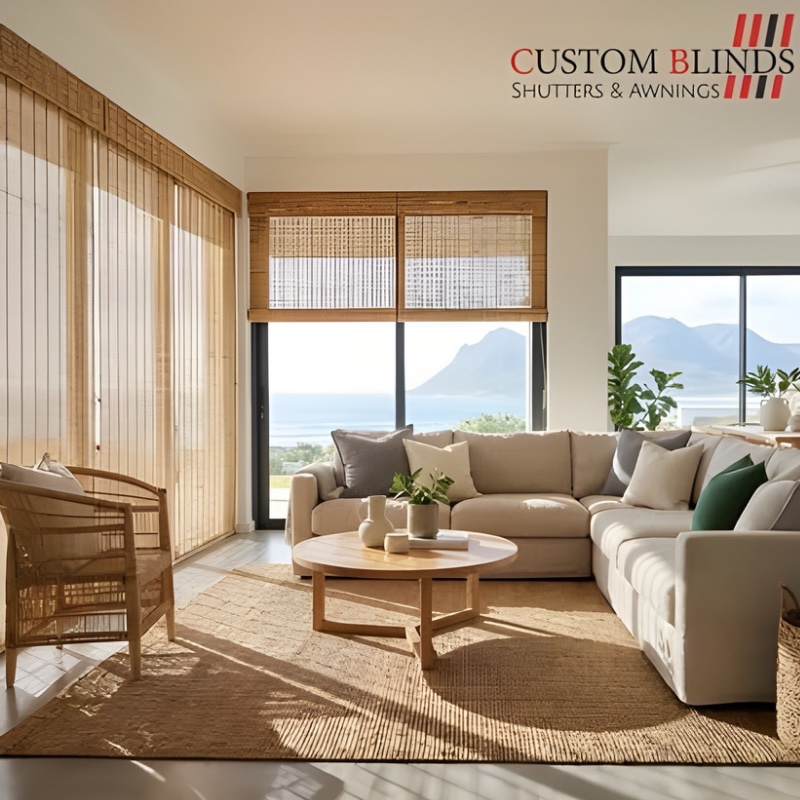
Blinds lower as UV exposure increases. Outdoor screens respond to changing weather. Privacy is managed automatically as light fades and interiors become more visible from outside.
Living with the Garden Route Climate
On the Garden Route, this approach feels especially relevant. The climate is part of everyday living. A calm morning can turn windy by early afternoon. Light shifts quickly. Outdoor plans are flexible rather than fixed. Homes that respond to these changes feel easier to live in—and easier to leave.
For international homeowners and those who spend time away, automation adds a different layer of comfort. Interiors are protected from prolonged sun exposure. Homes maintain privacy while standing empty. Weather responses happen even when no one is present. Remote monitoring provides reassurance that the house is behaving as it should, adjusting to conditions rather than remaining static.
The Value of Continuity
This sense of continuity matters. Whether a home is occupied year-round or visited seasonally, it benefits from systems that care for the space in the background. Furnishings last longer. Interiors feel calmer on arrival. There is less sense of returning to a house that has been working against the environment.
In the Garden Route, this way of living has been shaped by specialists who understand both family routines and the realities of coastal conditions. Custom Blinds Shutters & Awnings has been closely involved in integrating automation into homes across the region, designing systems that quietly support comfort, privacy, and environmental response without drawing attention to the technology itself.
Their approach to home automation and automated shading reflects a broader shift toward homes that respond intelligently to daily life rather than requiring constant adjustment.
The result is not a smarter home, but a more reliable one.
A home that adjusts while a baby sleeps. That prepares for an afternoon braai. That protects interiors from sun and weather when no one is there.
For busy families and homeowners who spend time away, that kind of quiet intelligence changes how a home is lived in—and cared for.